
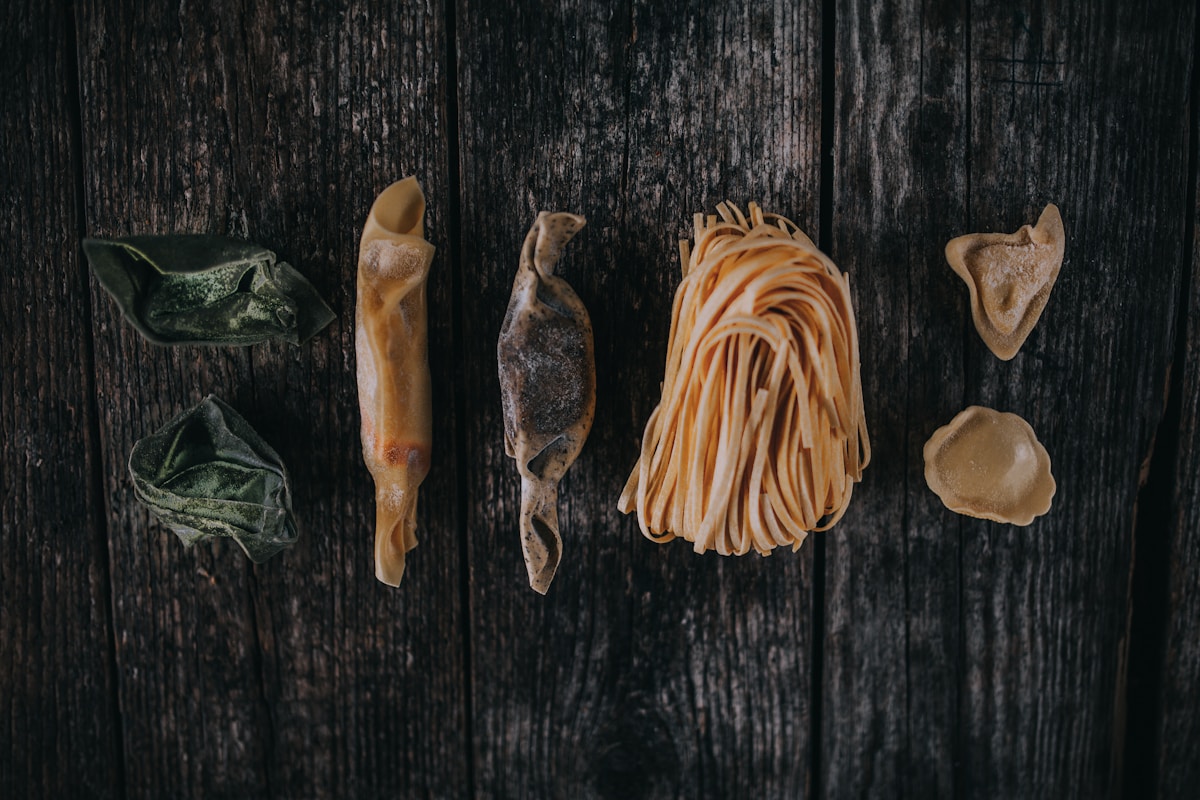
Culinary Journeys: Taste the World
Embark on a culinary adventure! Explore diverse cuisines and local delicacies that reflect the rich culture of each destination you visit.
The Importance of Culinary Exploration
Food is more than just sustenance; it is a reflection of a culture’s history, traditions, and values. Culinary exploration allows travelers to:
- Experience the local culture through its flavors.
- Connect with locals and learn their stories.
- Discover unique ingredients and cooking methods.
- Enhance travel memories through unforgettable meals.
Understanding Local Ingredients
Each region has its own unique ingredients that define its cuisine. Here are some examples:
- Herbs and Spices: Essential in many cultures, such as cilantro in Mexican dishes or saffron in Persian cuisine.
- Seasonal Produce: Fresh fruits and vegetables that vary by region, like tomatoes in Italy or mangoes in India.
- Local Proteins: Seafood on coastal regions, while inland areas may focus on meats like lamb or beef.
Exploring Global Cuisines
Let’s take a closer look at several diverse cuisines from around the world that every food lover should experience.
1. Italian Cuisine
Italian food is renowned for its regional diversity, rich flavors, and emphasis on fresh ingredients. Key elements include:
- Pasta: A staple that varies by region; try spaghetti in Naples or tagliatelle in Emilia-Romagna.
- Pizza: Originating from Naples, authentic Neapolitan pizza is a must-try.
- Cheese and Olive Oil: Italy is famous for its Parmigiano-Reggiano and high-quality olive oils.
2. Thai Cuisine
Thai food is a harmonious blend of sweet, sour, salty, and spicy flavors. Notable dishes include:
- Pad Thai: Stir-fried rice noodles with shrimp, tofu, peanuts, and lime.
- Green Curry: A spicy coconut milk-based curry with fresh herbs.
- Som Tum: A refreshing papaya salad with a mix of flavors.
3. Mexican Cuisine
Mexican cuisine is vibrant and diverse, characterized by its bold flavors and colorful presentations. Key dishes feature:
- Tacos: A versatile dish that can be filled with meats, beans, or vegetables.
- Chiles en Nogada: A seasonal dish featuring stuffed peppers with a walnut sauce.
- Mole: A rich sauce often served with chicken, showcasing chocolate and spices.
Experiencing Local Delicacies
When traveling, don’t miss the chance to sample local delicacies that may not be found elsewhere. Here are some recommendations:
Street Food Adventures
Street food offers an authentic taste of local culture. Popular street foods include:
- Falafel in the Middle East: Deep-fried chickpea balls served in pita.
- Banh Mi in Vietnam: A delicious sandwich combining French and Vietnamese flavors.
- Churros in Spain: Fried dough pastries often served with chocolate sauce.
Traditional Dishes to Try
Every destination has traditional dishes that represent its heritage. Some must-try dishes are:
- Sushi in Japan: Fresh fish and vinegared rice, often enjoyed at sushi bars.
- Paella in Spain: A rice dish from Valencia, traditionally cooked with seafood or meats.
- Couscous in Morocco: Steamed semolina served with a variety of vegetables and meats.
Culinary Classes and Food Tours
For those looking to deepen their culinary experience, consider taking a cooking class or joining a food tour. Benefits include:
- Hands-On Learning: Gain skills to recreate dishes at home.
- Cultural Insights: Learn about the history and significance of local ingredients.
- Meet Locals: Connect with chefs and fellow food enthusiasts.
Finding the Right Experience
When searching for culinary classes or food tours, look for:
- Reputable local chefs or cooking schools.
- Small group sizes for a more personal experience.
- Reviews from previous participants to gauge quality.
Conclusion
Embarking on a culinary journey is one of the most rewarding ways to experience a new culture. From savoring local delicacies to learning about traditional cooking methods, food can connect us to the heart of a destination. So pack your bags, bring your appetite, and get ready to taste the world!